

Staycations Are About More Than Saving Money
In March 2025, 61% of respondents to a travel-related survey expressed concern that a recession might impact their vacation plans. The same percentage were planning a staycation instead.1
Common during the pandemic when air travel and large crowds were not viable options, staycations involve spending your vacation at or near home. While they may be a great way to save money, staycations can also help you reduce stress, one of the primary reasons many people take time off.
Address stress
From booking airfare and lodging to securing tickets to attractions, along with making restaurant reservations and renting cars, traditional vacations typically require a great deal of advance planning and coordination. Tack on the need to pack for uncertain weather and various activities, find someone to care for pets, and make it to the airport on time — only to discover your flight has been delayed, your luggage was lost, and your hotel bed is uncomfortable — and you have a recipe for vacation aggravation. On the other hand, a staycation requires little to no advance planning, may be flexible and spontaneous, and can include activities to suit your mood, budget, energy level, and even the weather.
Staycation options
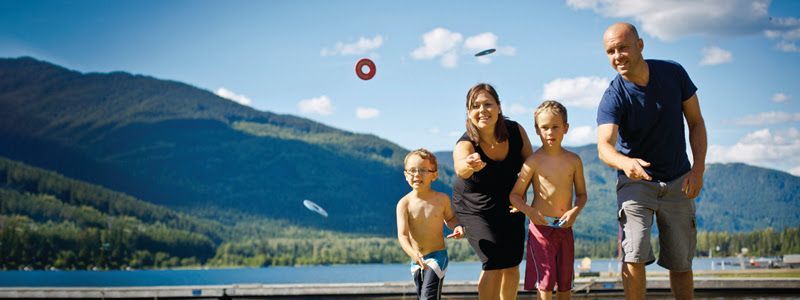
Using your home as base camp for a staycation is a great way to help reduce spending and explore regional attractions and activities. You can hike in local state parks, attend a major or minor league sporting event, visit museums or amusement parks, dine at the trendiest restaurants, or try a new activity, such as kayaking or pickleball. Or you can simply read, play yard games, and barbecue in the backyard. If it's raining, head to the movies, check out an escape room or indoor sports complex, or try out a new recipe.
If staying home presents too strong a temptation to check email or log in to work for "just one quick virtual meeting," consider a getaway within driving distance. In this case, your staycation can take the form of a few nights at a nearby hotel and taking advantage of such amenities as room service, the fitness center, or pool. Many hotels offer packages that include tickets to a show or local attraction, spa treatments, or meals. For a change of scenery, you might consider renting a condo or house with a pool, near a beach, or on a farm. Camping is also a cost-effective, adventurous way to shed the day-to-day monotony and build great memories.
Regardless of how you spend your time, keep in mind that the two keys to a restorative break, according to a recent study in the Journal of Applied Psychology, are fully disengaging from work and participating in physical activity.2
(1) Beach.com, March 2025
(2) ScienceDaily, January 2025
All Securities Through Money Concepts Capital Corp., Member FINRA / SIPC
11440 North Jog Road, Palm Beach Gardens, FL 33418 Phone: 561.472.2000
Copyright 2010 Money Concepts International Inc.
Investments are not FDIC or NCUA Insured
May Lose Value - No Bank or Credit Union Guarantee
This communication is strictly intended for individuals residing in the state(s) of MI. No offers may be made or accepted from any resident outside the specific states referenced.
Prepared by Broadridge Advisor Solutions Copyright 2020.