

Don't Take the Bait: Top Tax Scams in 2025
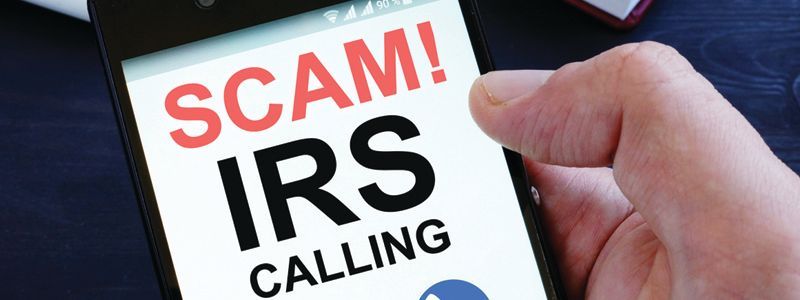
As tax filing season approaches, the IRS warns taxpayers to watch for scams that can cause identity theft, financial loss, or criminal penalties.
The agency's "Dirty Dozen" list, published annually since 2002, highlights 12 common tax schemes.
- Phishing and smishing: Fake emails and texts that appear to be from the IRS or other tax agencies lure you into disclosing your personal and financial data.
- Bad social media advice: Social media platforms circulate inaccurate tax tips that can lead to improper filings or disclosure of sensitive personal data.
- IRS Individual Online Account help from scammers: Third parties pose as "helpful" guides who offer to set up IRS online accounts for you but instead steal your identity or file fraudulent returns.
- Fake charities: Fraudulent charities prey on your goodwill to steal your donations and personal information.
- False Fuel Tax Credit claims: Scammers who encourage you to improperly file a Fuel Tax Credit claim, which is not available to most taxpayers.
- Credits for Sick Leave and Family Leave: Employees following bad advice have been improperly claiming a pandemic-era tax credit available only to self-employed individuals. This credit is no longer available.
- Bogus self-employment tax credit: Social media posts that promote a nonexistent self-employment tax credit to entice you into filing a fraudulent claim.
- Improper household employment taxes: Fraudsters convince you to file for fictional household employees to claim a refund based on false sick and family medical leave wages that you never paid.
- The overstated withholding scam: Social media messaging that encourages you to fabricate large income and withholding amounts through W-2s, 1099s, and other forms to inflate refunds.
- Misleading Offers in Compromise: Promoters, or "mills," that misrepresent the federal tax debt relief program to trick you into paying fees for resolutions for which you do not qualify.
- Ghost tax return preparers: Unscrupulous tax professionals who prepare returns without signing them or providing their IRS Preparer Tax Identification Number as required by law, subjecting you, the taxpayer, to potential tax fraud claims.
- New client scams and spear phishing: Cybercriminals who impersonate clients in an email to trick tax professionals into responding to access sensitive client information.
To help avoid scams, the IRS recommends never clicking on unsolicited links purporting to be from the IRS, verifying charities before donating, and only working with trusted tax professionals to potentially protect your personal information.
All Securities Through Money Concepts Capital Corp., Member FINRA / SIPC
11440 North Jog Road, Palm Beach Gardens, FL 33418 Phone: 561.472.2000
Copyright 2010 Money Concepts International Inc.
Investments are not FDIC or NCUA Insured
May Lose Value - No Bank or Credit Union Guarantee
This communication is strictly intended for individuals residing in the state(s) of MI. No offers may be made or accepted from any resident outside the specific states referenced.
Prepared by Broadridge Advisor Solutions Copyright 2020.